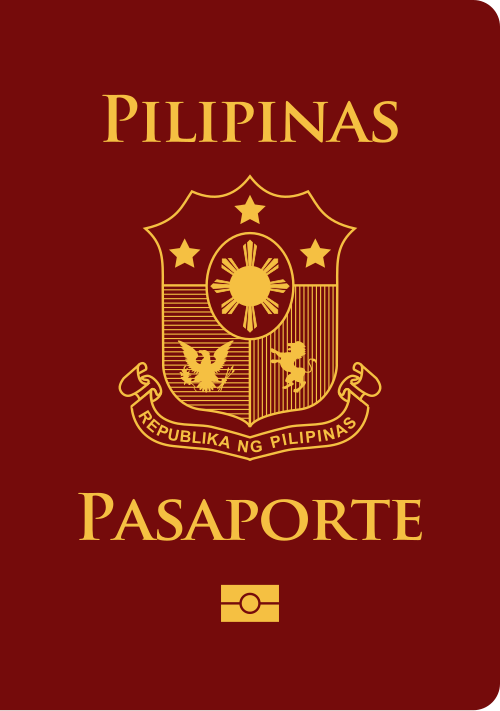
🇵🇭Philippines
SRRV — Special Resident Retiree's Visa
Long-running retirement programme administered by the Philippine Retirement Authority.
Required documents
- ·Medical clearance
- ·Police clearance (NBI / home country)
- ·Deposit confirmation in PRA-accredited bank
Things to know
- ·Deposit can be converted into condo or long-term lease.
- ·Restructured on 1 September 2025 into Classic and Courtesy categories; the SRRV Smile variant and the age-35 entry were discontinued. Minimum age is now 40.
- ·Pension qualification for Classic 50+: minimum $800/month single, $1,000/month couple.
- ·Courtesy category (retired diplomats, military, qualifying groups): $1,500 deposit at 50+; $3,000–$6,000 at 40–49.
- ·Bureau of Immigration clearance now mandatory for every applicant; existing SRRV holders are unaffected by the reform.
Apostille & legalization
Apostille routeApostille only — both United States and Philippines are parties to the 1961 Hague Apostille Convention.
Documents that must be apostilled
- ·Police / criminal-record clearance
- ·Medical certificate
Bank statements, employment contracts, photos, passport copies and the application form itself do not need an apostille.
- Obtain originals or certified copies of each civil/criminal record (birth certificate, marriage certificate, police clearance, diploma, etc.).
- Have each document apostilled by the competent authority in United States (U.S. Department of State — Office of Authentications).
- Translate the apostilled document into the official language of Philippines — the apostille itself is also translated.
- Submit the apostilled + translated bundle directly to the Philippines immigration authority or consulate; no further consular stamp is required.
Translation: Most documents must be translated into the local language by a certified translator. Agency translations are usually accepted.
Issuing authority in United States: U.S. Department of State — Office of Authentications
Documents older than 3–6 months are often rejected. Plan to obtain fresh originals shortly before your visa application.
Last verified 19 July 2026 — reconfirm on the official portal before applying.
Other residency programs in Asia & Pacific